|
In heating, water supply and drainage, HVAC, and industrial piping systems, thermal expansion and contraction, equipment vibration, and installation deviations are common causes of pipeline stress concentration and leakage. SOLID (Shanxi Solid Industrial Co., Ltd.) offers a series of Rubber Expansion Joints that combine elastic rubber compensating elements with reinforced carcass structures to provide axial, lateral, and angular displacement compensation for piping systems, effectively absorbing vibration, reducing noise, and ensuring long-term stable operation.
What Problems Does It Solve
Pipelines face three unavoidable sources of stress during operation: first, thermal expansion and contraction caused by temperature changes; second, continuous vibration generated by pumps, compressors, and other rotating equipment; third, concentricity deviations that are difficult to completely eliminate during construction and installation. If left unaddressed, these issues gradually accumulate into flange leakage, support deformation, or even pipe cracking.
Rubber expansion joints are flexible connection components designed specifically to address these problems. Installed between two fixed points in a pipeline, they absorb displacement and vibration through the elastic deformation of the rubber body, releasing stress that would otherwise concentrate on pipe walls and connections, thereby extending the service life of the entire piping system.
Structural Composition and Working Principle
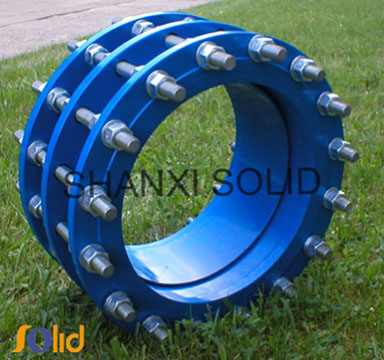
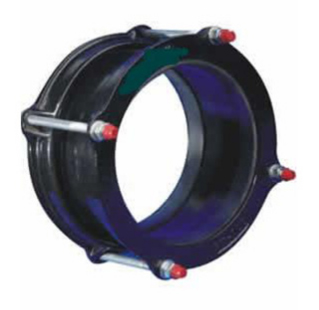
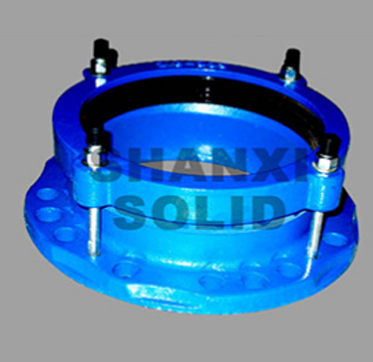
Also known as rubber compensators, rubber expansion joints, or flexible rubber joints, rubber expansion joints are flexible pressure-resistant pipe fittings composed of corrugated compensating elements with rubber flanges at both ends and metal flanges. The inner structure consists of multiple layers of strong fiber or steel band reinforcement, with an outer rubber covering layer and a hard steel wire skeleton embedded in the flanges. Metal flanges often use a loose-sleeve structure for easy bolt hole alignment during installation.
During operation, displacement generated by temperature changes or equipment vibration is transmitted to the rubber body. The elastic deformation of the rubber absorbs and dissipates this energy, preventing it from being transferred to pipe ends or equipment interfaces. The reinforcement layers ensure the product does not over-expand or rupture under working pressure.
How to Select Rubber Materials
The performance of rubber expansion joints depends largely on the correct selection of rubber material, as different rubbers vary significantly in their adaptability to media and temperature.
EPDM (Ethylene Propylene Diene Monomer) is the most widely used general-purpose material, resistant to hot water, steam, seawater, and acid-base solutions, with a service temperature range of -40°C to 100°C. It is widely used in heating, water supply and drainage, and chemical piping.
NBR (Nitrile Butadiene Rubber) offers outstanding oil resistance, suitable for fuel, lubricating oil, and hydraulic oil pipelines, with a service temperature range of -20°C to 90°C. It is commonly found in petroleum and hydraulic systems.
Installation and Usage Guidelines
When installing rubber expansion joints, please keep the following points in mind:
1. Installation Location: The joints should be positioned between two fixed pipe supports. This prevents them from bearing the weight of the pipeline.
2. Natural State: During installation, the rubber body must not be stretched or compressed. It should remain in its natural state.
3. Flange Alignment: When aligning flanges, make sure to tighten the bolts evenly and symmetrically. This helps prevent deformation of the sealing surface due to uneven stress.
For routine maintenance, regularly inspect the rubber body for signs of aging, such as cracks, bulging, or abnormal deformation. Additionally, check the flange connections for any signs of leakage. If any issues are found, address them promptly by replacing the affected components to avoid operating with defects.
Application Scenarios
Heating and HVAC Systems. In central heating networks, boiler rooms, and air conditioning water systems, rubber expansion joints compensate for pipe thermal elongation, absorb vibrations from pumps and units, and protect valves and support structures.
Water Supply, Drainage, and Wastewater Treatment. In municipal water supply, stormwater discharge, and industrial wastewater pipelines, rubber expansion joints accommodate concentricity deviations, reduce stress at pipe connections, and improve system sealing reliability.
Industrial Piping and Equipment Integration. In chemical, pharmaceutical, papermaking, and marine piping systems, rubber expansion joints provide flexible connections at pump and valve inlets and outlets, absorb equipment vibration, and compensate for installation deviations.
About SOLID
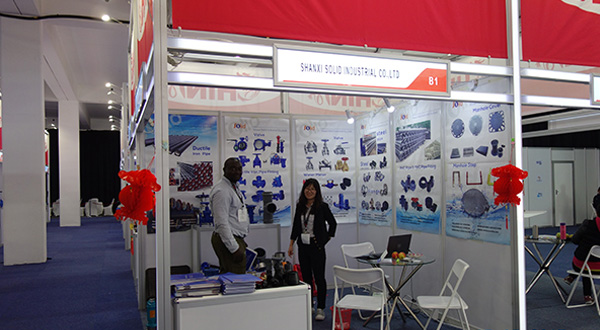
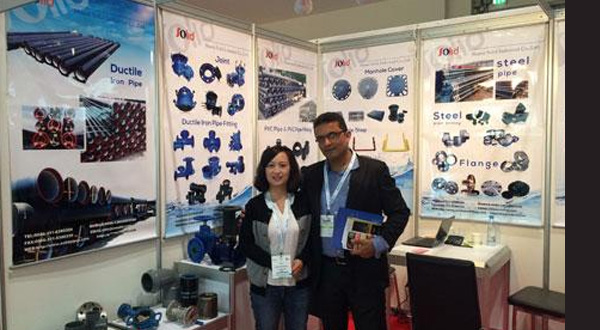
Shanxi Solid Industrial Co., Ltd. is a professional enterprise specializing in the R&D, production, and sales of piping products, headquartered in Taiyuan, Shanxi. Its product range includes ductile iron pipes and fittings, carbon steel pipes and fittings, stainless steel fittings, valves, flanges, rubber expansion joints, manhole covers and steps, and other series. Products are manufactured in strict compliance with international standards including ISO, EN, BS, DIN, ANSI, and AWWA, and have been exported to many countries and regions worldwide, committed to providing high-quality pipeline connection and supporting solutions for global pipeline engineering projects.
|