|
There is a moment on every retrofit job when the tape measure tells you something the drawings didn’t. The pipe outside diameter is off by eight millimeters. Or it’s a material nobody specified—asbestos cement from the 1970s, maybe, or a PVC run that was replaced in sections over three decades. The trench is open, the crew is standing around, and the dedicated coupling that was supposed to fit simply doesn’t.
This is where universal couplings earn their keep. Not in the clean, predictable world of new construction, but in the messy reality of rehabilitation and repair, where pipes were never designed to a single standard.
What “universal” actually means
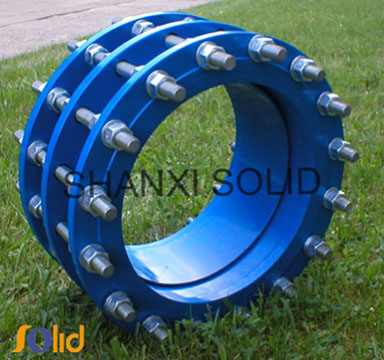
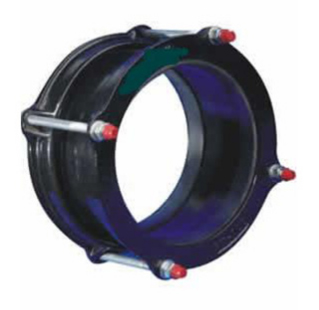
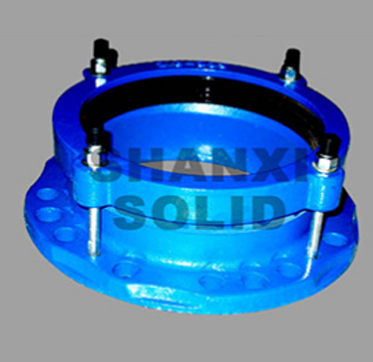
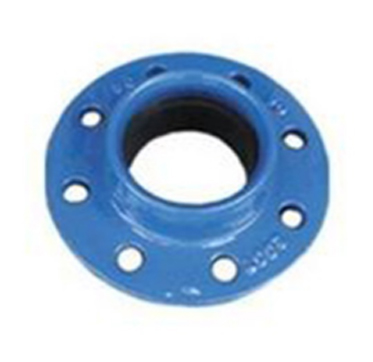
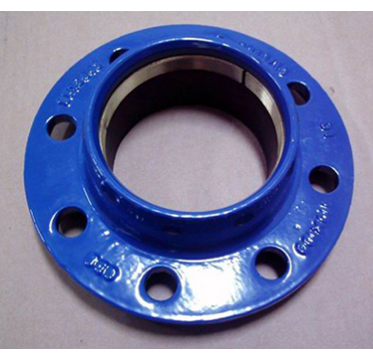
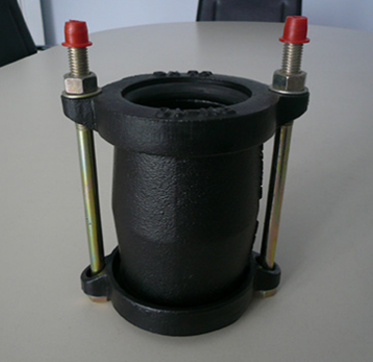
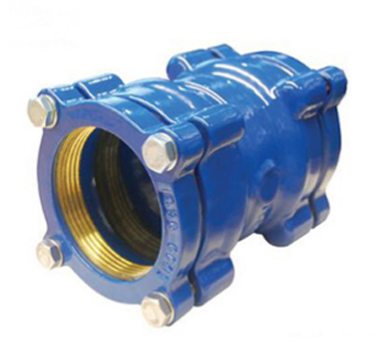
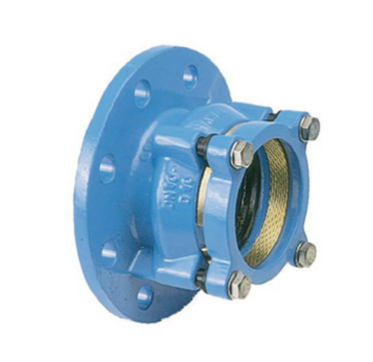
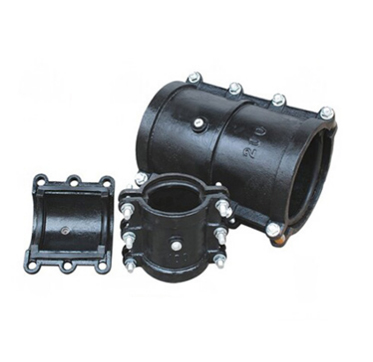
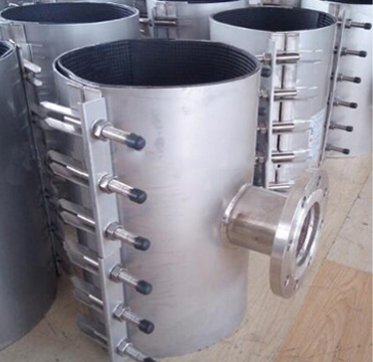
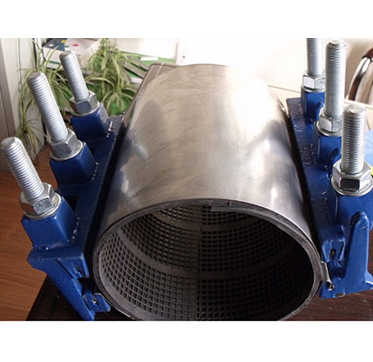
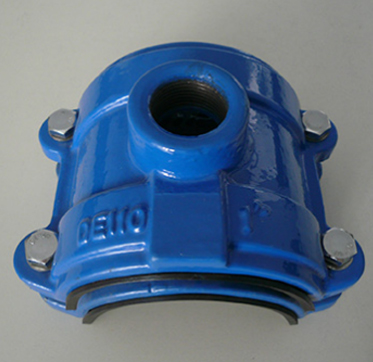
A universal coupling—sometimes called a wide-range or tolerance-range coupling—is built around a simple premise: the gasket and end ring can compress across a broader range of pipe outside diameters than a standard coupling allows. Our range covers ductile iron, steel, PVC, GRP, cast iron, and asbestos cement, with a tolerance span that absorbs the dimensional variation between them.
The value isn’t just in the fit. It’s in what that fit eliminates. A utility that stocks dedicated couplings for every pipe material and every diameter spends money on inventory that sits in a warehouse until the one job that needs it. A universal coupling collapses that inventory into a single SKU that covers a range. For a municipal water department or a contractor working across a region with mixed-era infrastructure, that difference is tangible.
The part nobody talks about: restraint
A coupling is only as good as its ability to stay put. The U.S. Pipeline and Hazardous Materials Safety Administration reviewed over three thousand gas distribution incident reports and identified 148 where coupling or fitting failures were a reliable factor. The dominant failure mode wasn’t a defective product off the shelf—it was inadequate restraint. Pipe pulled out of couplings under cyclic loading from seasonal temperature swings, soil movement, or simple improper installation.
That finding matters beyond gas distribution. Water systems see the same forces. A coupling that seals beautifully on day one but lacks sufficient end restraint is a future excavation waiting to happen.
Our universal couplings are designed with this in mind. The end ring geometry and gasket compression are specified not just for static sealing, but for holding against the axial forces that accumulate over years of thermal cycling and pressure fluctuation. The body is QT500-7 ductile iron, coated with fusion-bonded epoxy or epoxy painting, with gaskets in NBR or EPDM depending on the media. These aren’t exotic specifications. They’re the baseline for a product that needs to last decades underground, where nobody will look at it again until something goes wrong.
The standards question, honestly
DIN EN 14525 sets out the European framework for wide-tolerance couplings used across ductile iron, steel, PVC-U, PVC-O, PE, and fibre-cement pipes. It covers everything from minimum wall thickness to angular deflection to long-term hydrostatic strength testing. Our products are built to ISO 2531 and EN 545, which align with the performance expectations the market has come to require.
But standards are a floor, not a ceiling. The more useful question is whether a coupling will perform in the conditions it actually faces—which often means a pipe that’s out of round, a surface that wasn’t cleaned properly, and an installer who has forty meters of trench to close before the weather turns.
Why we make them the way we do
Shanxi is not a gentle climate for buried infrastructure. Frost penetration, de-icing salts in the soil, and ground movement from freeze-thaw cycles are part of the operating environment. A coupling that passes a factory hydrostatic test in a temperature-controlled bay may behave differently after three winters in Taiyuan or Hohhot.
That reality shapes how we approach production. The coating isn’t decorative—it’s the barrier between ductile iron and soil chemistry that will find any weak point in a film. The gasket formulation is selected for the media it will contact, not for the lowest unit cost. And the end ring dimensions are held to tolerances that allow the coupling to do its job even when the pipe it’s joining was manufactured to a standard that has since been revised twice.
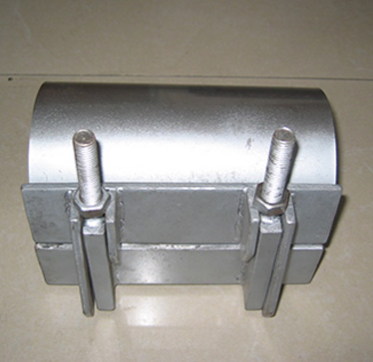
None of this is dramatic. A universal coupling is not an exciting product. It’s a piece of iron with a rubber gasket and some bolts. But on the day the trench is open and the pipe doesn’t match the drawing, it’s the difference between a crew that finishes before lunch and a crew that spends the afternoon looking for a solution that should have been in the truck all along.
Solid Pipeline Company. Made in Shanxi. Built for the pipe you actually have, not the one on the drawing.
|